
Understanding Ayurveda
Understanding Ayurveda
Ayurveda is more than a system of medicine—it is a traditional approach to understanding life, health, balance, and well-being. The word Ayurveda comes from Ayus, meaning life, and Veda, meaning knowledge or science. Its approach considers the individual as a whole, taking into account the body, mind, lifestyle, diet, environment, and individual constitution.
At Sukhada Ayurvedics, we believe that understanding Ayurveda begins with understanding the uniqueness of every individual. Rather than viewing health only through the symptoms of a condition, Ayurveda looks at the person as a whole and aims to support balance and well-being through personalized guidance, appropriate diet and lifestyle practices, and Ayurvedic principles.
The Foundation of Ayurveda
Ayurveda describes the human body and the natural world through the Pancha Mahabhutas, or five fundamental elements:
- Akasha – Space
- Vayu – Air
- Agni – Fire
- Jala – Water
- Prithvi – Earth
These five elements are understood as fundamental components of nature and are represented within the human body through various physiological principles.
Understanding the Three Doshas
One of the best-known concepts in Ayurveda is Tridosha—the three doshas: Vata, Pitta, and Kapha. According to Ayurvedic principles, these functional energies are associated with different aspects of the body’s activities.
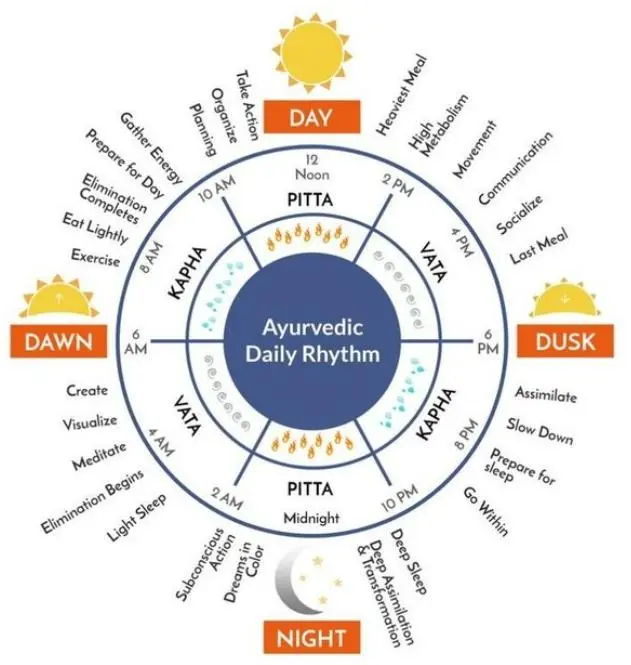
Vata – associated with movement
Vata is associated with the elements of space and air. It is traditionally connected with movement and functions such as circulation, breathing and other forms of bodily movement.
Pitta – associated with transformation
Pitta is predominantly associated with fire and water. It is traditionally connected with digestion, metabolism and transformation.
Kapha – associated with stability and nourishment
Kapha is associated with water and earth. It is traditionally connected with structure, stability, lubrication and nourishment.
Ayurveda emphasizes maintaining an appropriate balance among these functional principles as part of overall health.
Prakriti – Your Individual Constitution
A key feature of Ayurveda is the concept of Prakriti, or an individual’s constitution. Ayurveda recognizes that every person has a unique combination of Vata, Pitta and Kapha, and this understanding forms part of its individualized approach to health.
This is why Ayurvedic consultation is not simply about identifying a condition. The practitioner may consider the individual’s constitution, current concerns, lifestyle, diet, habits and other relevant factors when developing appropriate guidance.
Agni – The Concept of Digestion and Metabolism
Agni, traditionally described as the body’s digestive and metabolic fire, is another important concept in Ayurveda. Ayurvedic texts associate Agni with the processes involved in digestion, transformation and metabolism.
From an Ayurvedic perspective, attention to digestion is an important part of maintaining overall well-being. Food choices, eating habits, daily routines and individual constitution are therefore considered when providing Ayurvedic lifestyle and dietary guidance.
Ayurveda and Preventive Health
Ayurveda places considerable emphasis on maintaining health, not only addressing illness. Its preventive approach includes healthy daily routines, seasonal practices, appropriate diet, personal habits and lifestyle choices. This aspect is traditionally referred to as Swasthavritta.
The goal is to encourage people to understand their bodies, develop healthier routines and make choices that support their overall well-being.
A Personalized Approach to Health
One of the distinguishing principles of Ayurveda is its individualized approach. Two people experiencing similar complaints may have different constitutions, lifestyles and contributing factors. Therefore, Ayurvedic care traditionally considers the individual rather than applying exactly the same approach to everyone.
At Sukhada Ayurvedics, our approach is centered around understanding each patient’s individual concerns and providing Ayurvedic guidance based on their consultation.
Ayurveda in Everyday Life
The principles of Ayurveda can also be understood through everyday choices, including:
- Eating according to individual needs
- Maintaining regular daily routines
- Paying attention to digestion
- Getting adequate rest
- Following appropriate seasonal practices
- Maintaining personal hygiene
- Managing lifestyle habits
- Staying connected with nature and healthy routines
These principles encourage a conscious and balanced approach to everyday living.
Our Approach at Sukhada Ayurvedics
With a heritage that dates back to 1920, Sukhada Ayurvedics carries forward a tradition of Ayurvedic knowledge while focusing on the individual needs of every patient.
Our consultations are centered on understanding the patient’s concerns and providing personalized Ayurvedic guidance. Based on the consultation, appropriate advice regarding diet, lifestyle and Ayurvedic medicines may be provided.
We believe that understanding Ayurveda is the first step towards understanding your own health.
“When we understand our nature, we can make better choices for our well-being.”